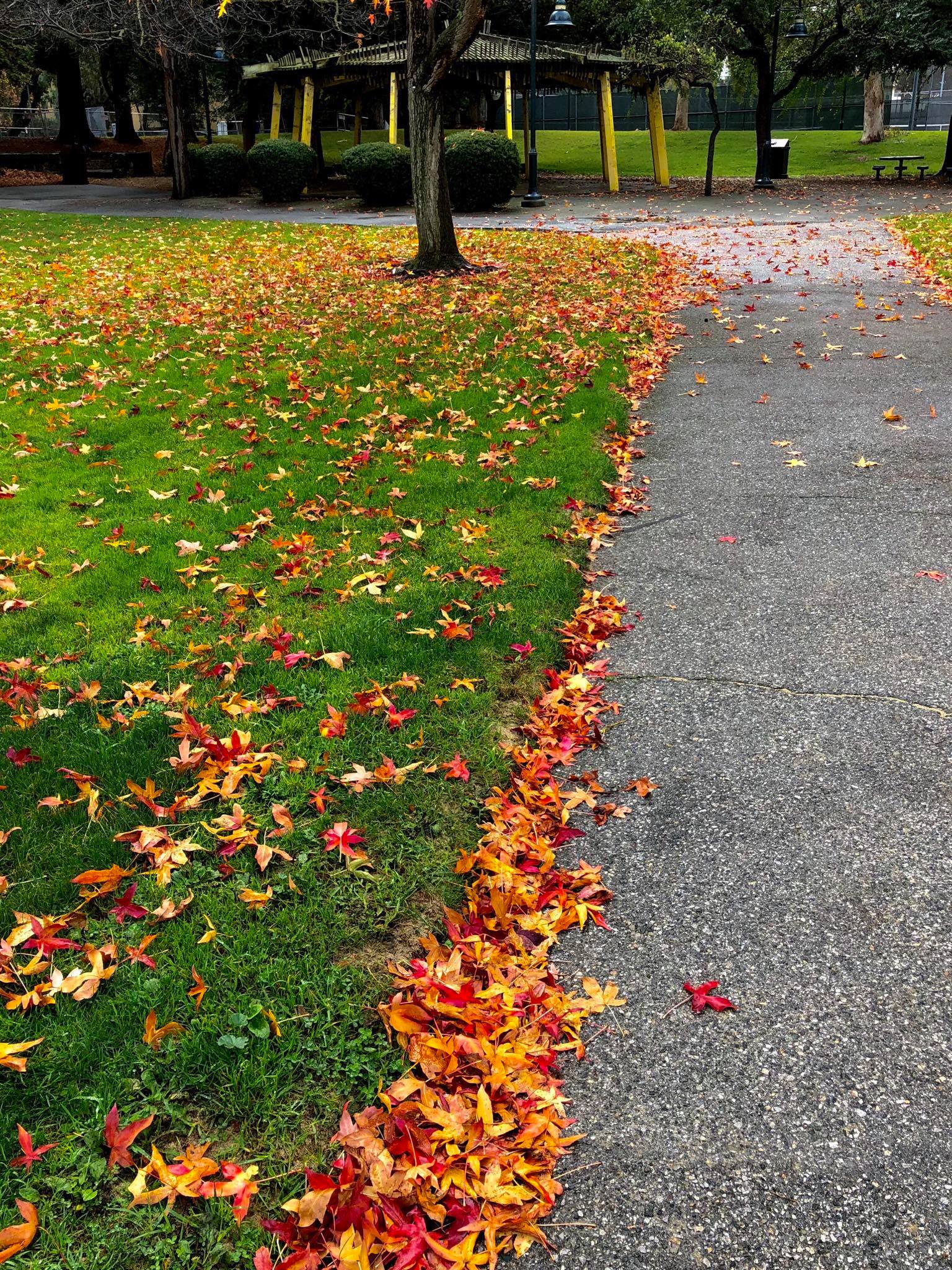
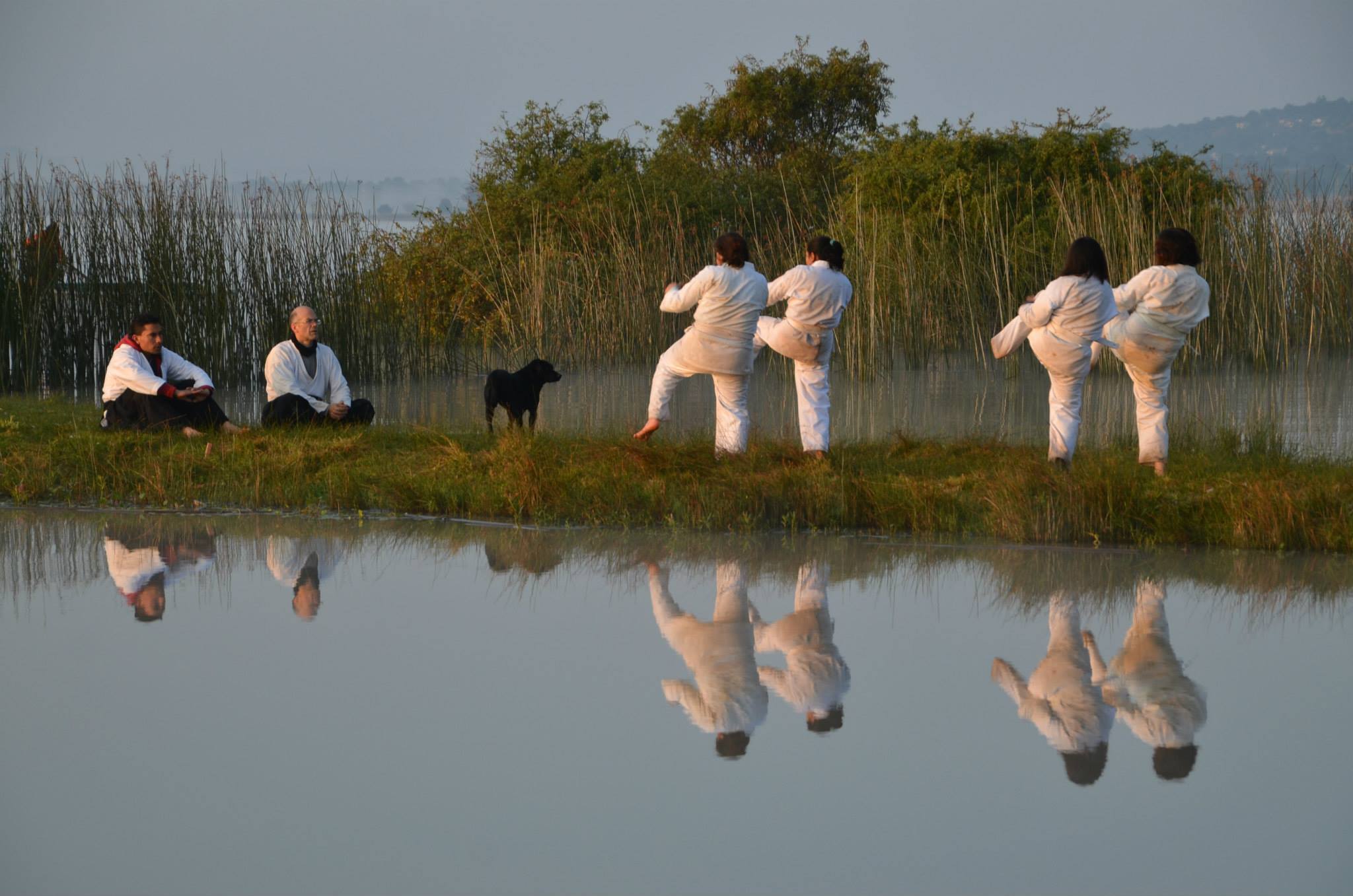
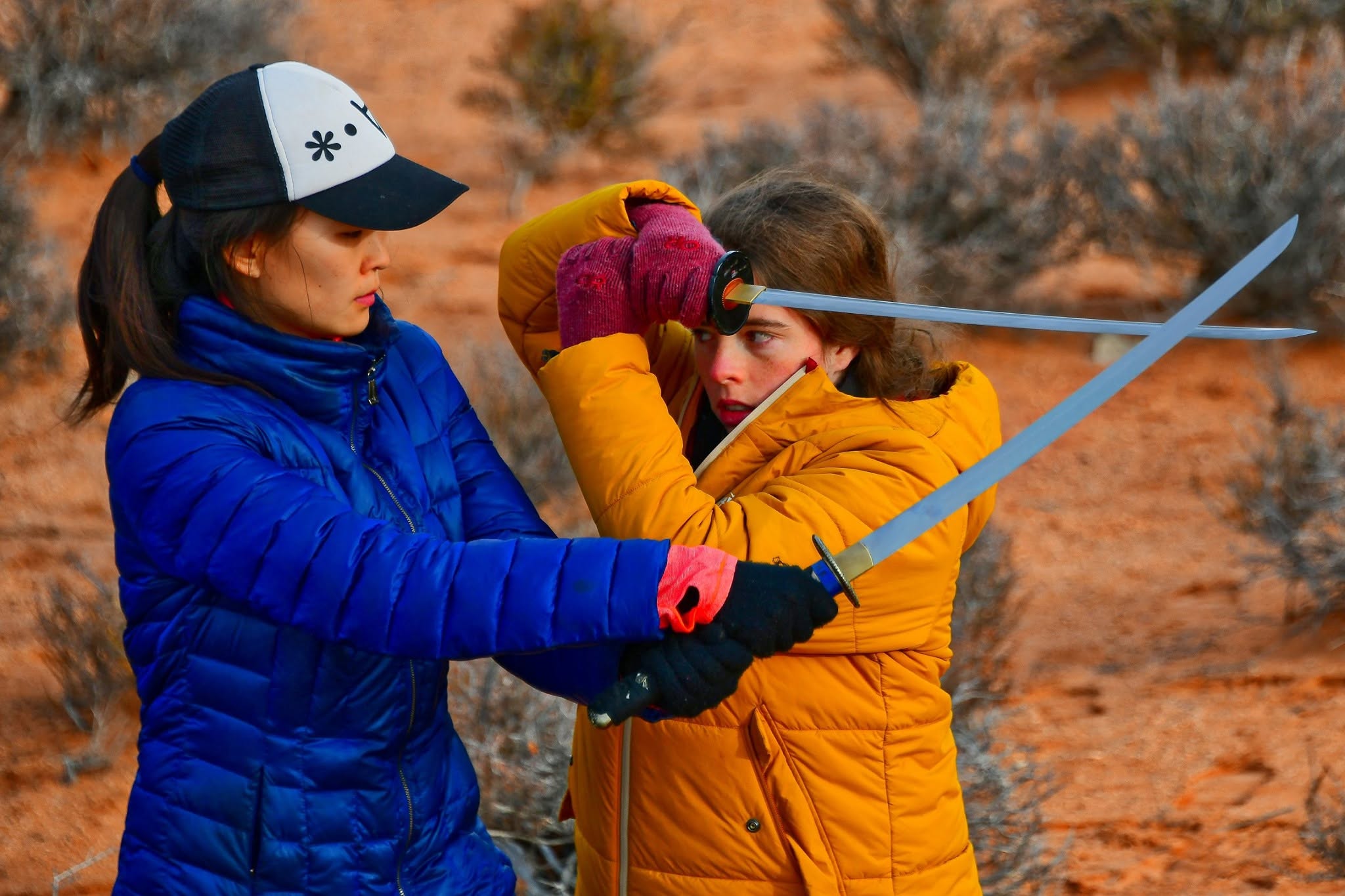
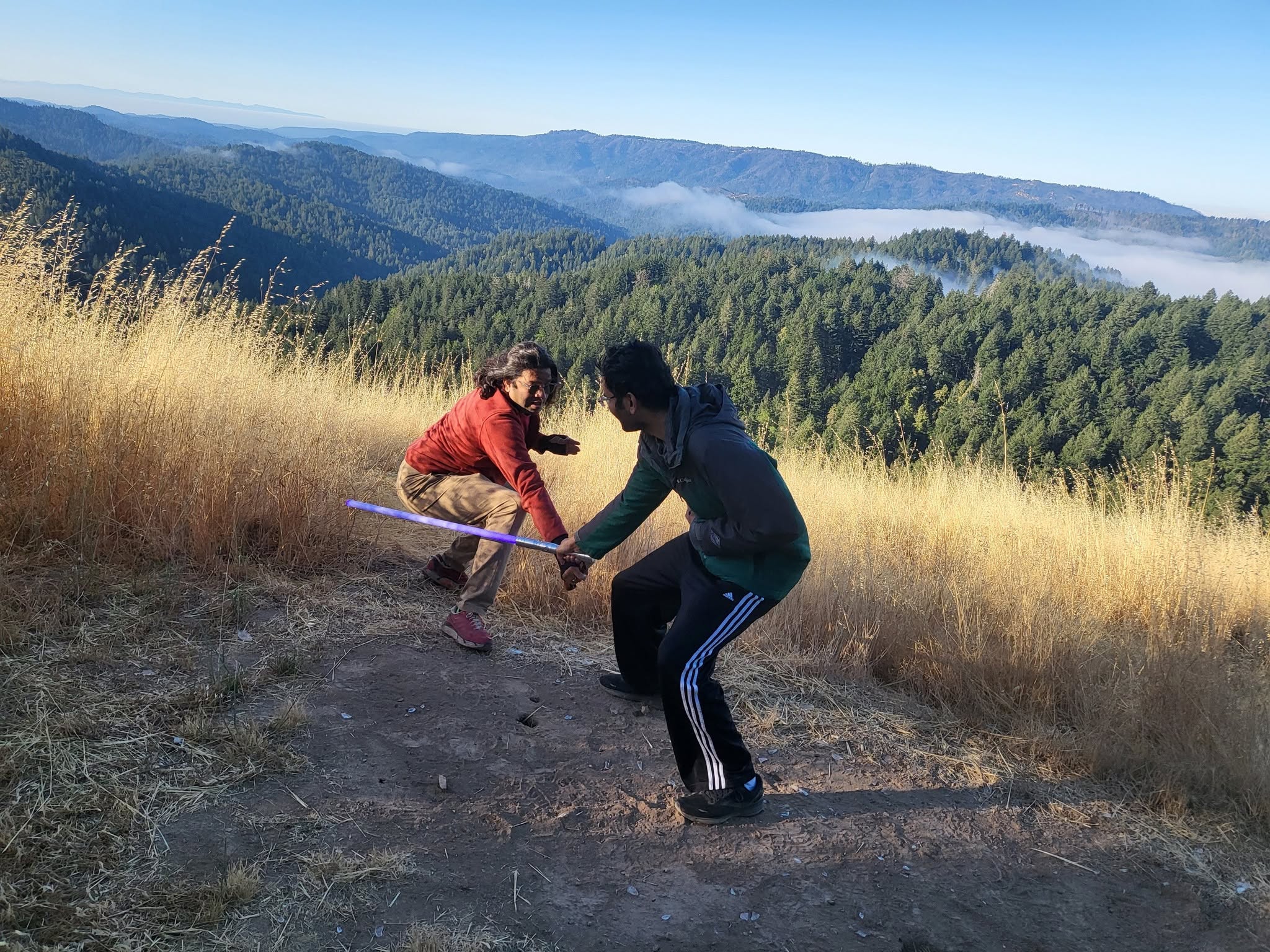
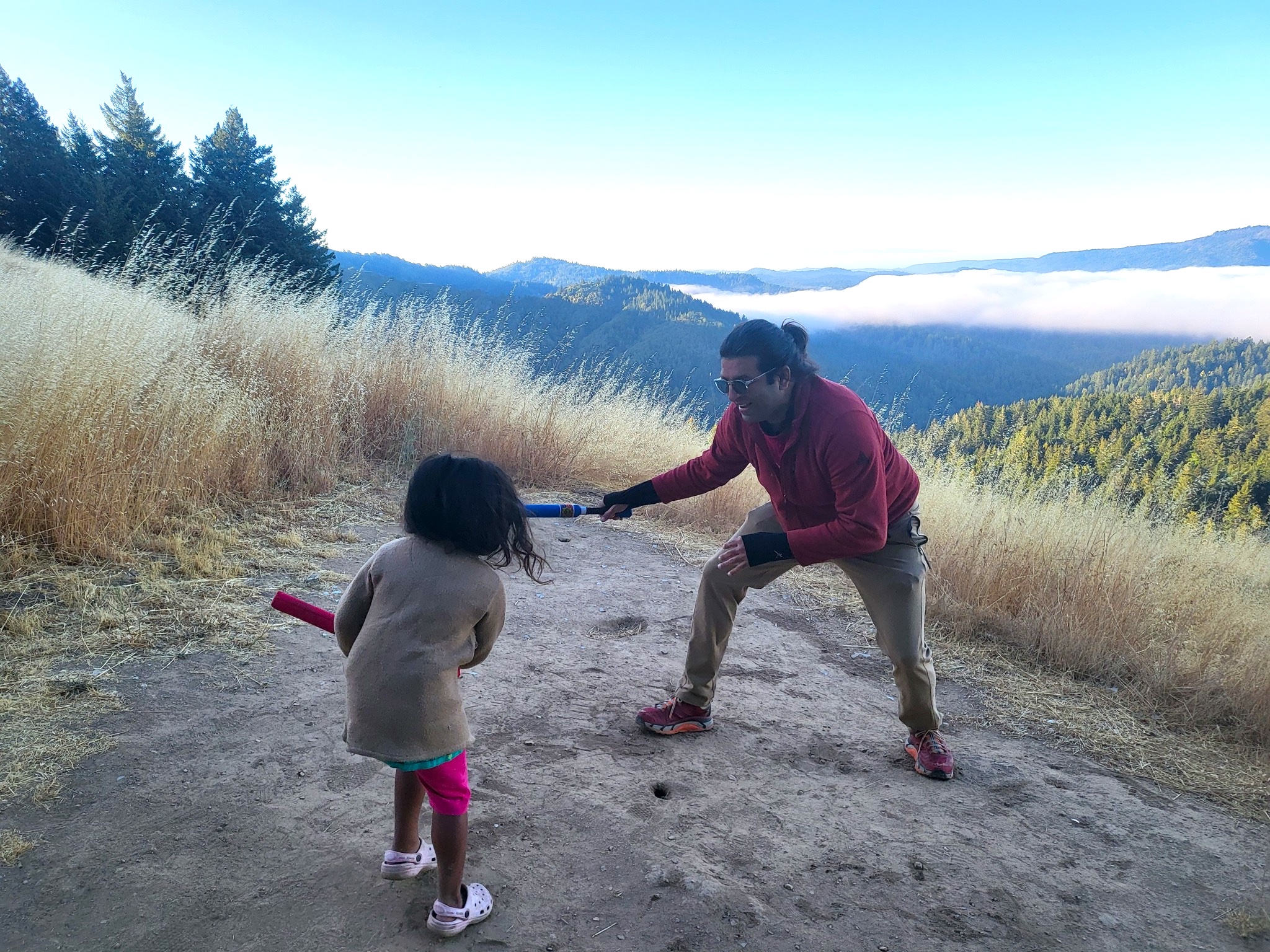
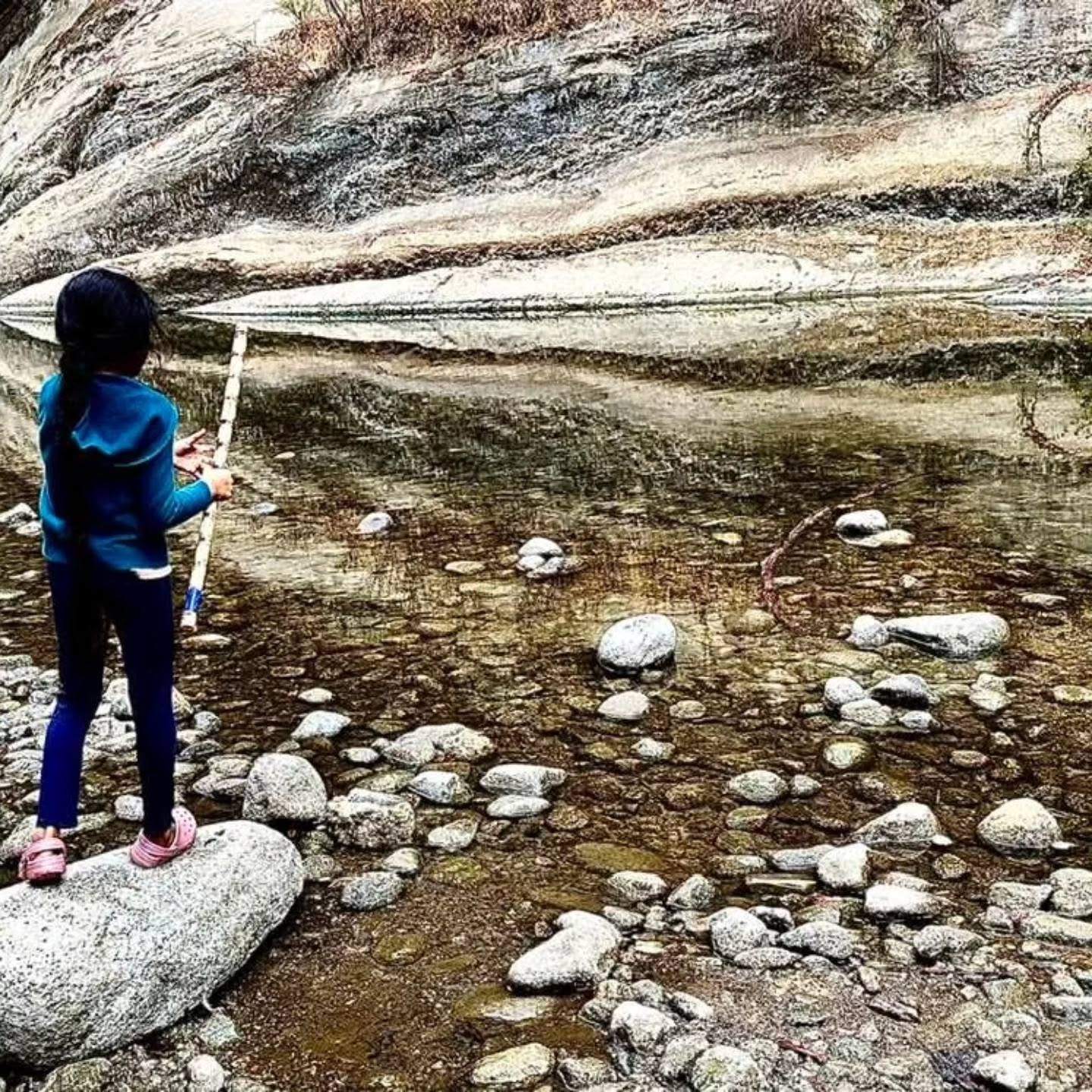
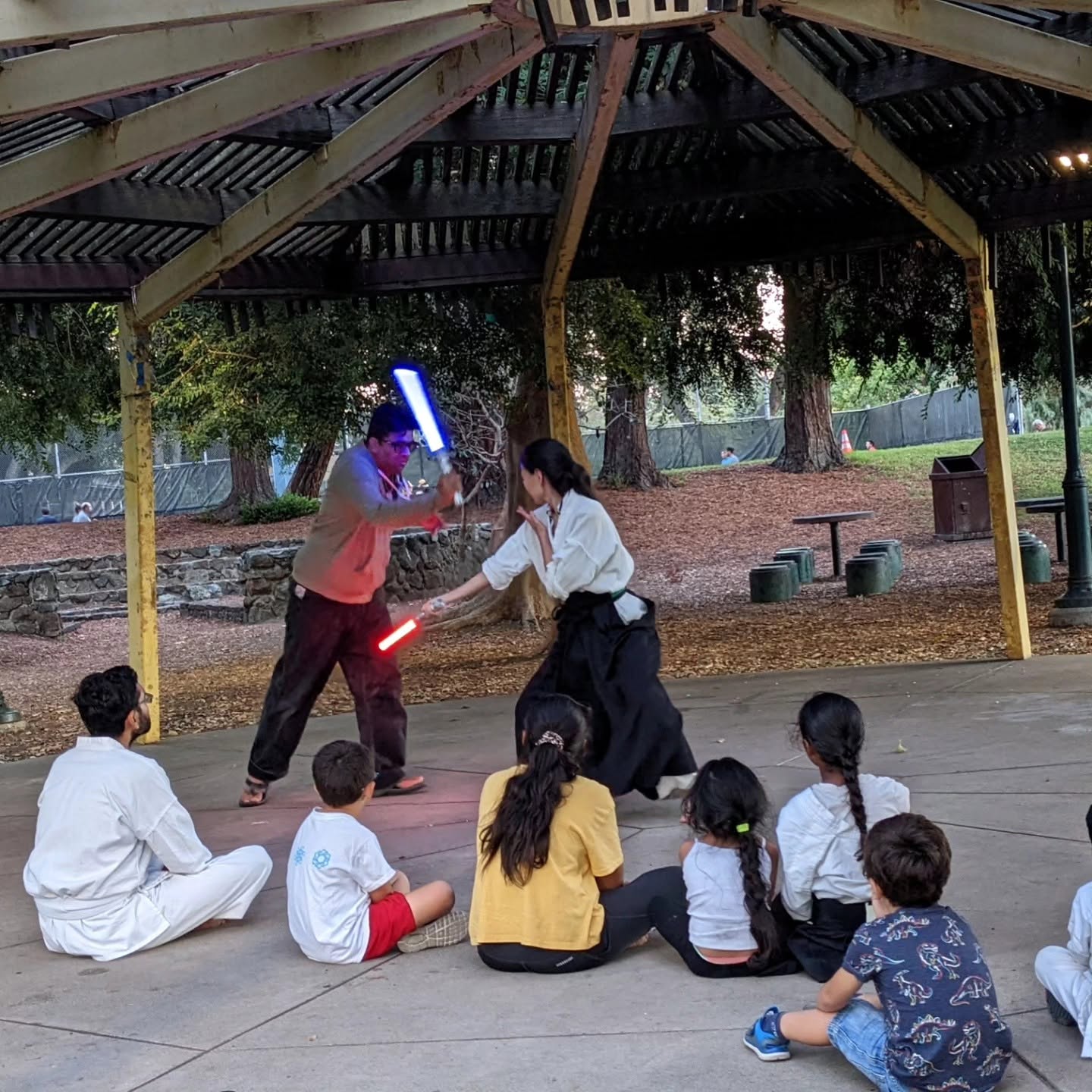
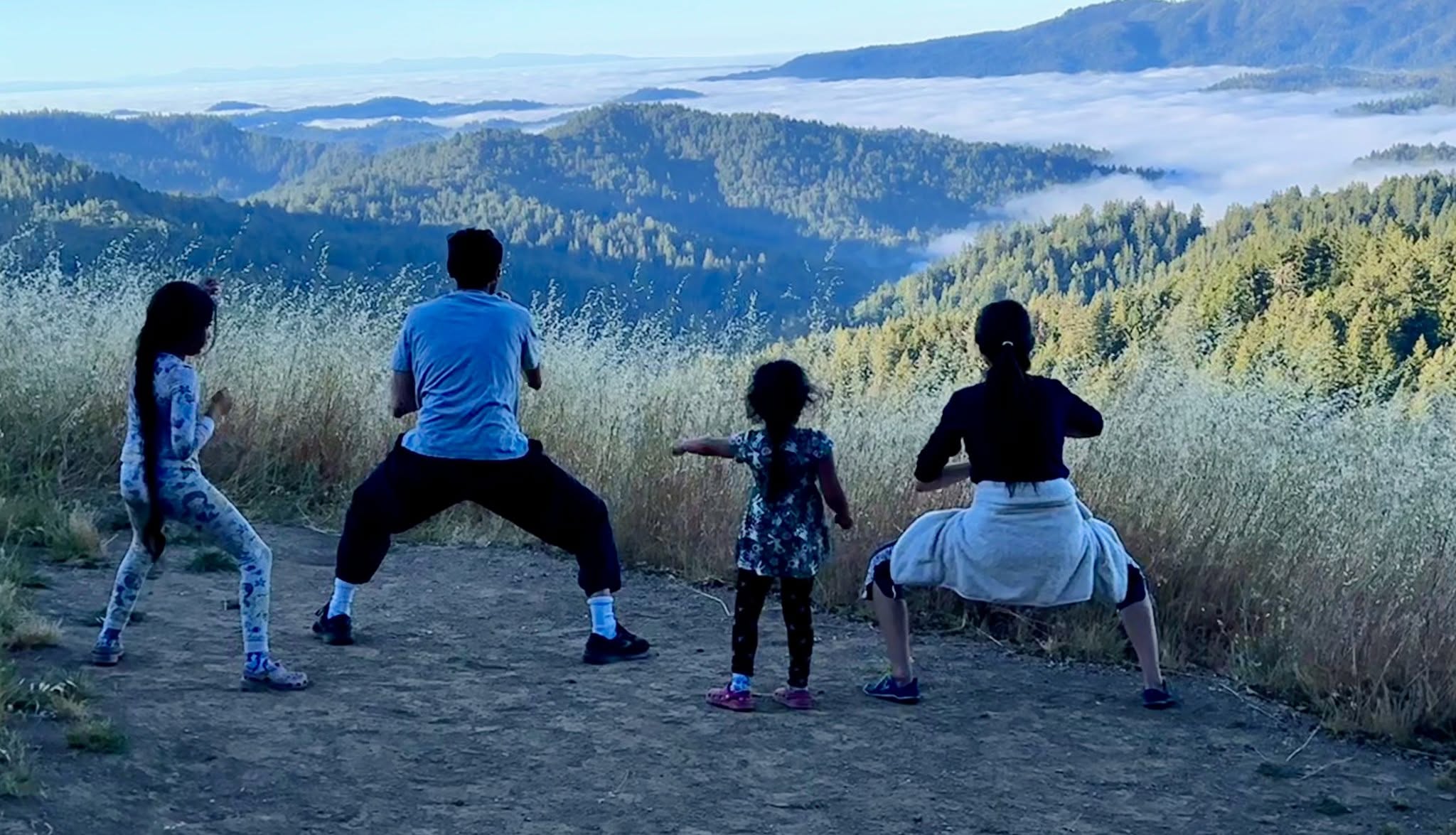
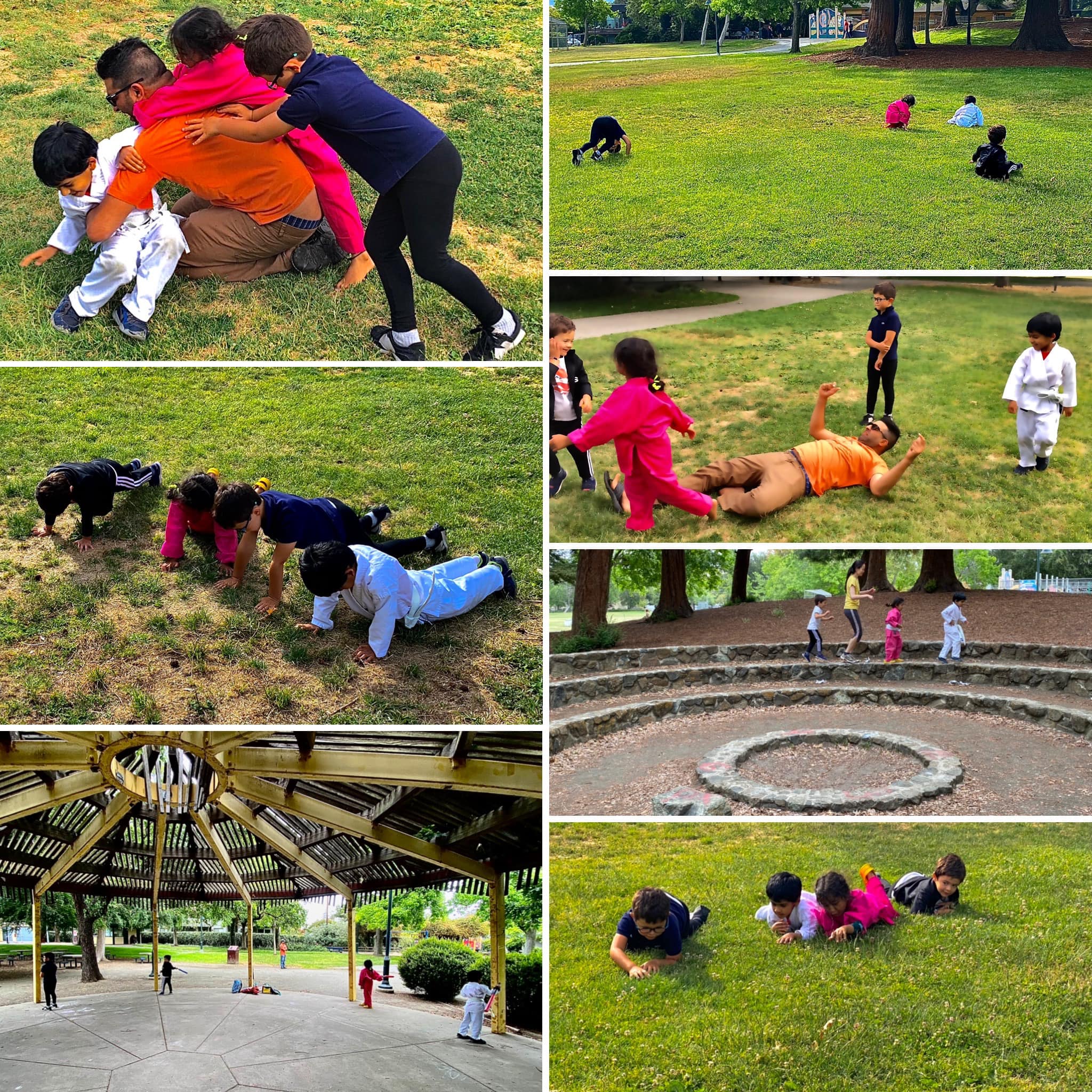
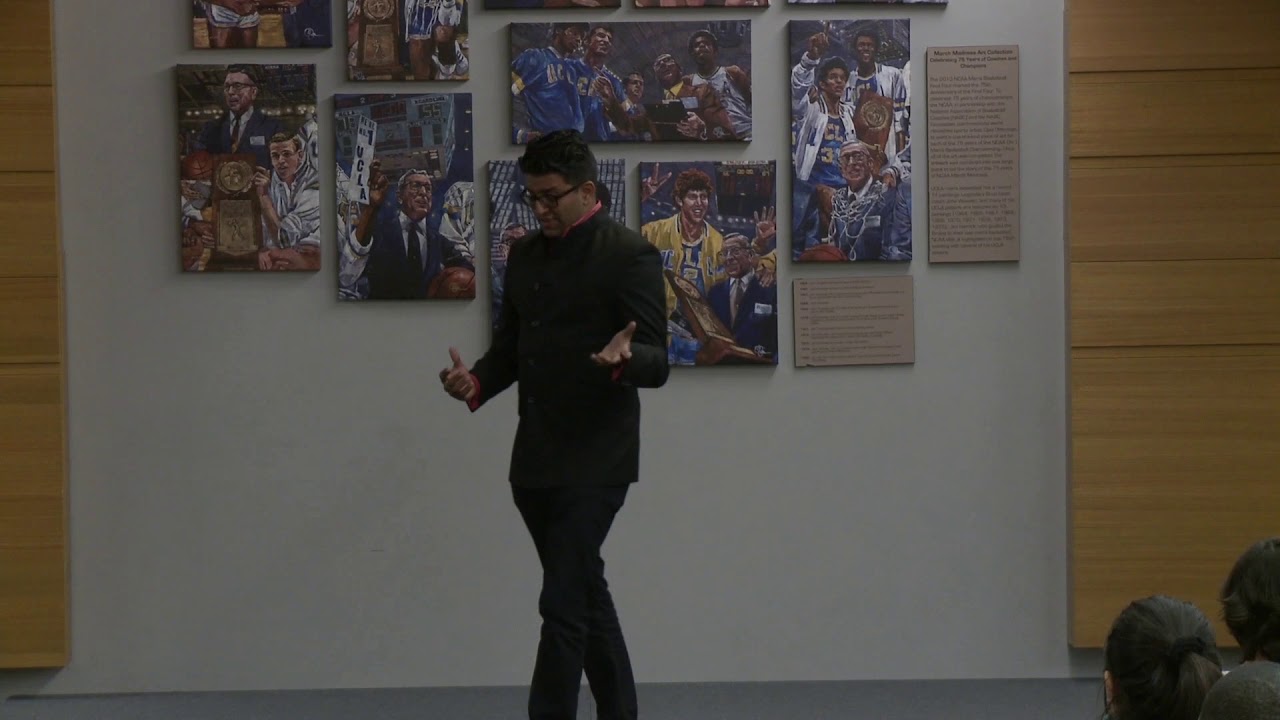
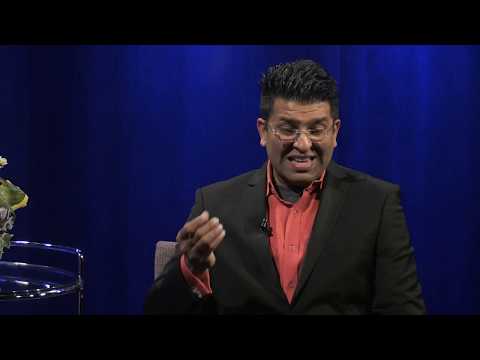
Two Mountains Immersion Institute — formerly Mountain View Aiki Arts — is an institution of embodied knowledge. Traditional Aikijujutsu and the Asian fighting arts. City floor in Mountain View. Mountain ridge in the Santa Cruz range. The path between the two locations is the curriculum.
The practice is built around an observation made by G.I. Gurdjieff and confirmed by a century of research: human beings operate through three distinct functional centers, each with its own intelligence, each requiring its own training.
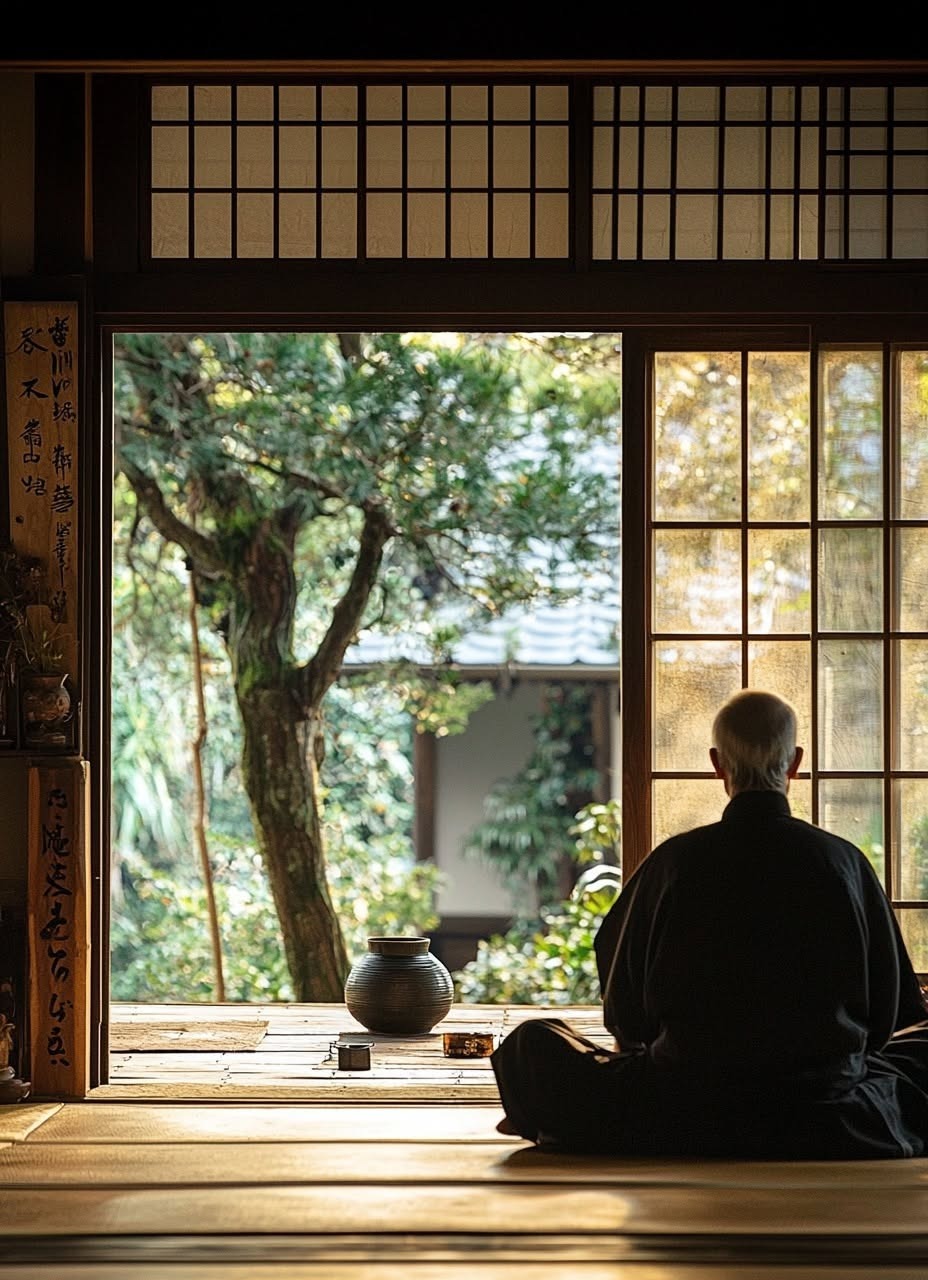
Thinks. Aims. Holds doctrine.The center most overrepresented in modern educated life. Tuesday is where it is trained separately — so it can support rather than suppress the others. Doctrine, strategy, philosophy, neuroscience. The mind aimed again, every week.
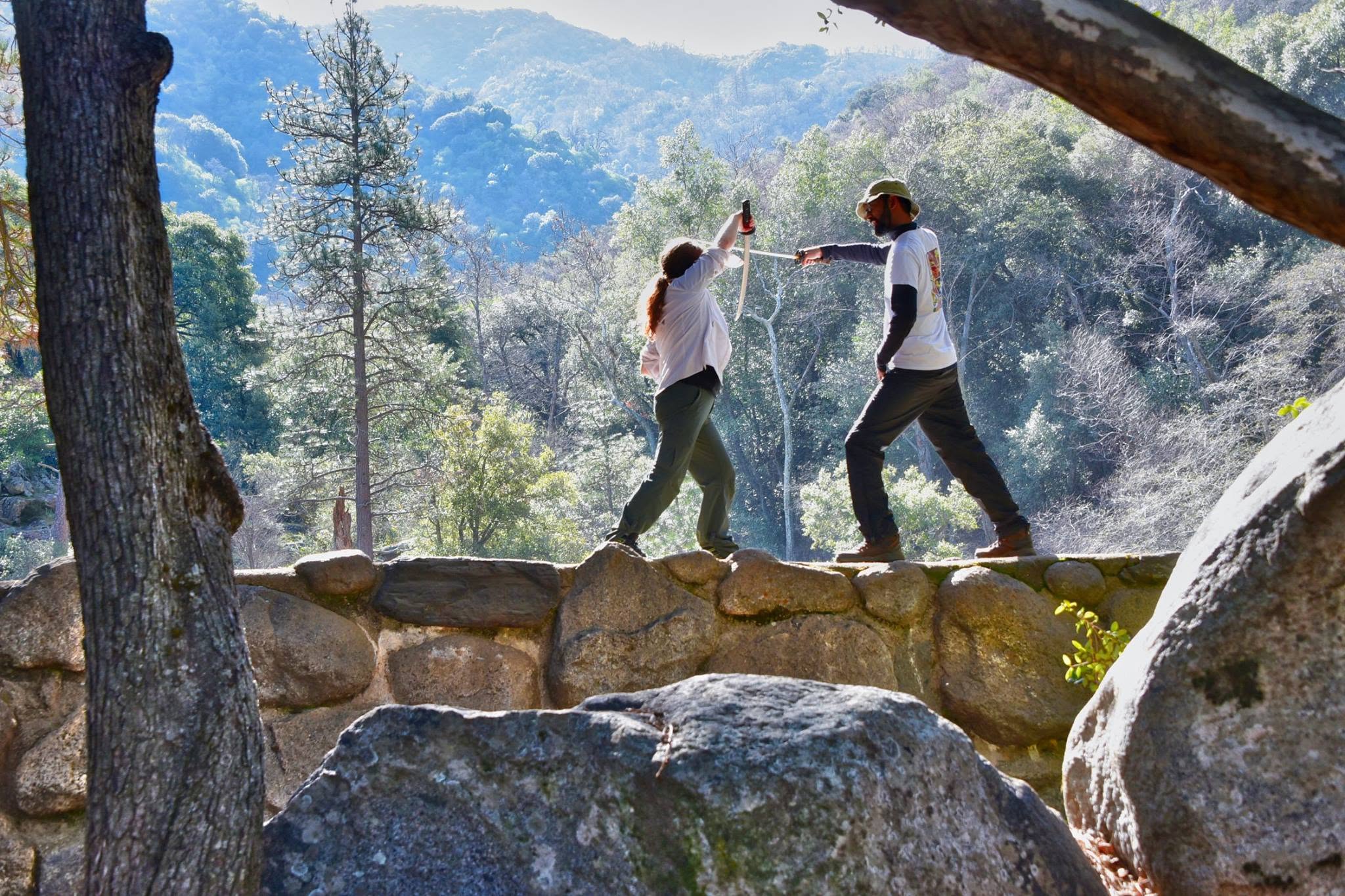
Acts. Reads. Responds.The body’s deep intelligence — the capacity to read space, time movement, and respond from somatic wisdom before deliberate thought intervenes. In most desk-working adults it is dormant. Not destroyed. Waiting. Thursday is where it is reactivated.
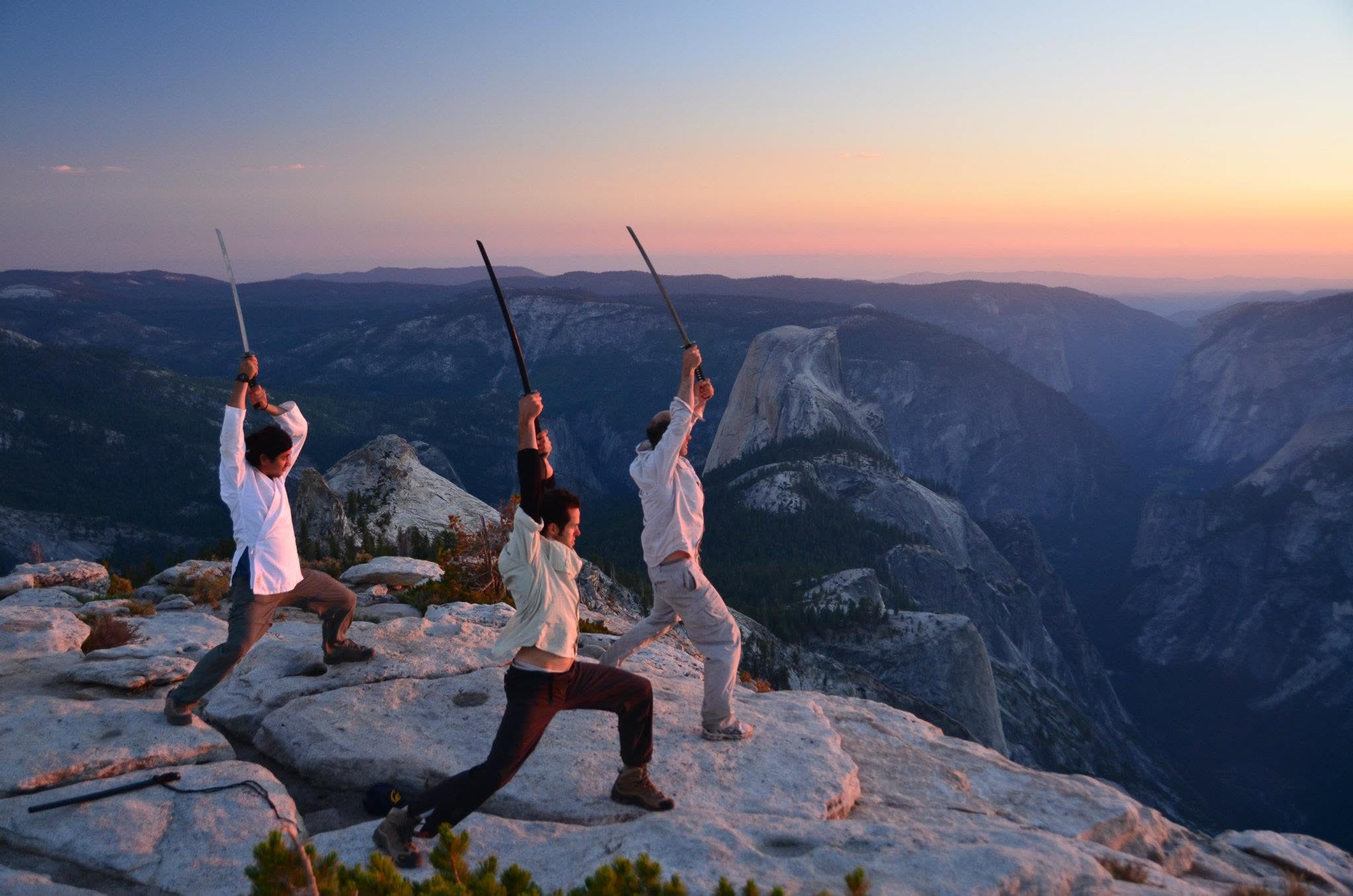
Knows. Discerns. Transcends.Joseph Chilton Pearce identified the cardiac neural network as its biological seat. When engaged — through physical exertion, awe, and encounter with scale — quality of experience changes in ways intellectual effort alone cannot produce. The mountain is where it becomes accessible.
The practice is not three separate activities. It is a closed feedback loop in which each session both produces and requires the others. Tuesday creates the philosophical preparation that makes Thursday meaningful. Thursday opens the body so Saturday can reach what the classroom cannot. Saturday recalibrates the doctrine for the week ahead.
Tuesday feeds Thursday. Thursday feeds Saturday. Saturday feeds Tuesday. Each iteration, the loop deepens.
The school operates across two sites because the practice requires two kinds of terrain. The city floor in Mountain View builds structure and lineage. The mountain ridge in the Santa Cruz range tests it against reality. The unique curriculum developed by Maestro Lunia seamlessly integrates these two practices so that they enhance one another.
The physical skills are real and they matter. Students who stay describe something broader — a change in how they move through difficulty, how they think under pressure, how they carry themselves. The training produces this by design.
Not fitness metrics. Actual skill: how to strike, throw, lock, and use weapons with precision. You leave every session having learned something — not having burned calories. The body was built for more than the desk. Thursday is where it remembers.
A system you can go further into every year. Students who have trained for a decade describe still finding new layers. The person who has optimised everything else discovers something genuinely unoptimisable — only earned.
Chess grandmasters recall positions — not pieces — because expertise lives in relational patterns. Thursday builds the same faculty in the body: the capacity to read and respond before deliberate thought has time to intervene. Students reliably report the transfer.
Maestro Lunia studied under teachers who rarely open their doors — in traditions transmitted by direct contact, not certification. What you are learning has not been simplified for modern consumption. It is the original thing.
Stanford research established that ninety minutes in nature measurably reduces rumination. The weekly shugyo delivers this every Saturday — not as a retreat or supplementary wellness, but as the third act of a designed weekly practice.
Discipline, commitment, and contribution — the three pillars the school embodies. Philosophy, strategy, and fighting application studied together, as they always were. Not technique alone. The whole person as architecture, not aspiration.
Not a lifestyle brand. An archetype in Jung’s sense — an internal structure in which the capacity for action and the capacity for reflection are developed simultaneously, rather than at each other’s expense.
You want a practice that compounds over years rather than plateauing. You are drawn to long-form mastery, not milestones. Three sessions a week, every week, is how that works.
The most valuable things in your life came from someone who actually knew — and cared. You are looking for a person who has done what you are attempting, for longer than you have been attempting it.
Some people arrive here at a particular moment — a question they cannot yet put into words. Tuesday for the mind. Thursday for the body. Saturday for something that neither session alone can reach.
“Not only have I been taught a system of effective self-defense techniques which developed my confidence, temperance and health, but I also have been introduced to the philosophy of war and meditation practices, to the energy/nature principles and to the principles of how the mind work to excel.”
“I did get what I was looking for which was an effective self-defense system from an elite instructor, but that was just the beginning. I’ve developed great friendships within the dojo. I’ve developed many character values that I didn’t previously have. Most importantly, I felt encouraged to pursue my purpose, my truth, my path.”
“This is not an ordinary school for ordinary people and there is something very special about that. The culture that Maestro Lunia has created is one of community and collaboration. Not only is Maestro Lunia a master at his craft and an excellent teacher that cares for his students, he also shares the opportunity to be exposed to various types of martial arts at a high level.”
“Maestro Lunia treats his dojo with a level of respect that one rarely sees in everyday life. His deep and unwavering commitment to the art, and to his students, allows me to place my trust in him.”
“MVAK is not for the faint of heart. It’s for those who are serious and dedicated to learning and helping others. Nothing remotely close to your typical commercial martial arts classes.”
“This dojo is unique. Whatever art you get to learn here, it will be anything but usual, and it will be effective. You’ll learn to defend yourself, sure. But more than that, you’ll learn yourself.”
The Immersion Foundation exists to document and preserve fighting arts in danger of disappearing. Maestro Lunia is its founder and Explorer-in-Residence. Seven expeditions. Five international conferences. Seventy-five-plus distinct arts from thirty-plus regions archived. Six published books. One school, named for two mountains.
No pitch. No pressure.
Come see if the practice is for you.
Act I: Tuesday online · Act II: Thursday at Rengstorff Park · Act III: Saturday, Santa Cruz Mountains
Maestro Mahipal Lunia has lived several serious lives in parallel — warrior-scholar, field researcher, technologist, teacher, and guide in embodied spirituality. Each informs the others. This page holds all of it.
.jpeg)
Warrior-Scholar · Hoplologist · Founder, The Immersion Foundation
He has spent more than three decades in pursuit of something most people never find: a teacher who actually knows.
He has trained in Aikijujutsu, Indian Shastar Vidya, Karate, Kenpo, Chinese Internal Martial Arts, and SE Asian Martial Arts under teachers who rarely open their doors to outsiders. He is the lineage holder (full authority to teach and transmit) of multiple arts, a distinction held by only a few practitioners in North America.
“He has spent decades seeking teachers who rarely open their doors to outsiders. He found them. What they gave him is what he teaches here.”
He founded The Immersion Foundation — which he leads as Explorer-in-Residence — to document and preserve fighting arts in danger of disappearing. He has led seven international expeditions, organised five international conferences, and spearheaded the archival of more than 75 distinct arts from 30+ regions. He has published six books, including the four-volume Book of the Stick.
In a third dimension of his work, he directs groups in experiential spirituality — weaving transformation technologies, Asian somatic disciplines, and a rigorous foundation in Indian Shakta practice. A forthcoming book — The Journey of Becoming Human, the first volume in his Embodied Spirituality series — gives form to that work. It is the first of its kind.
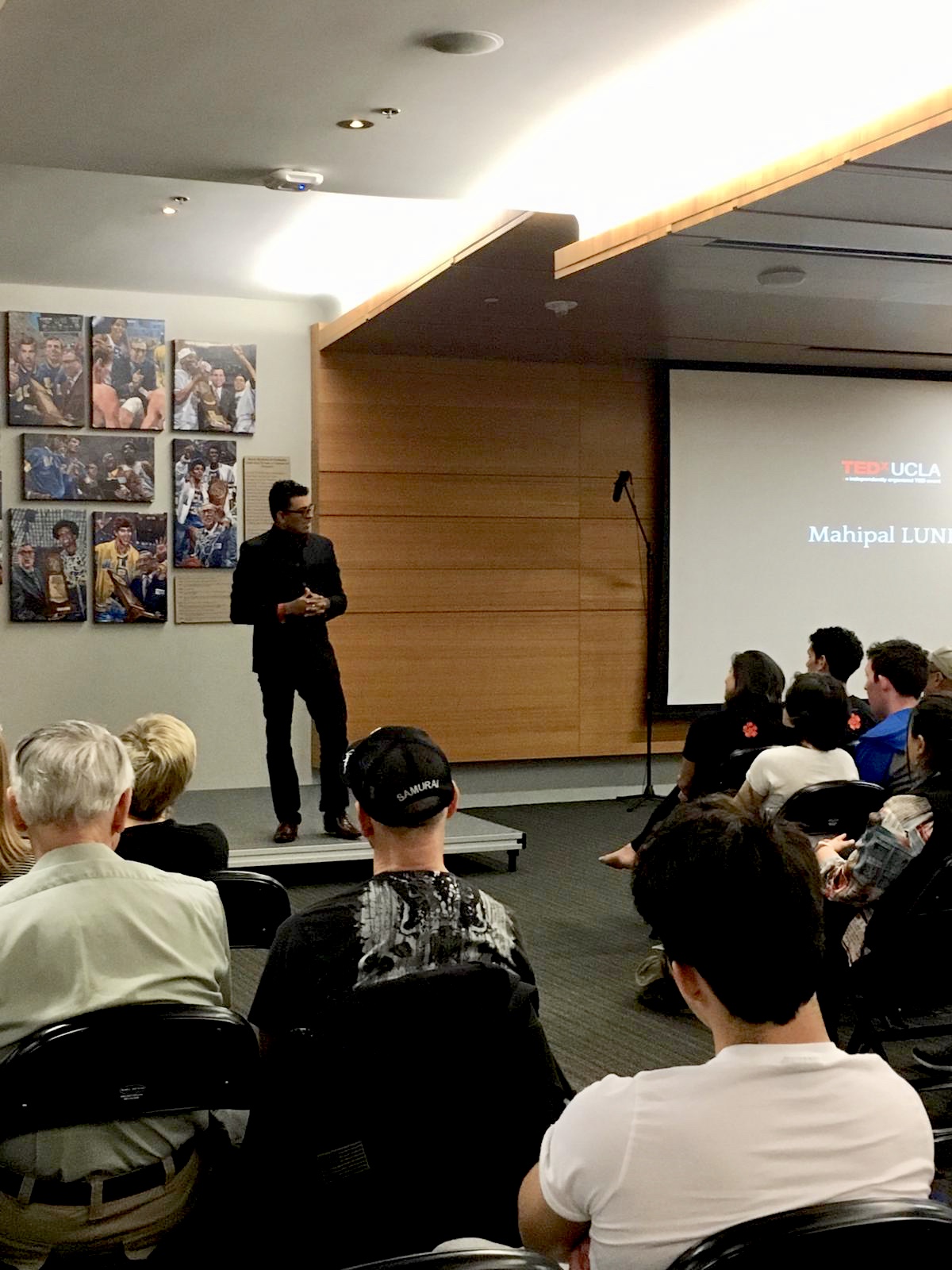
By day, he works in Silicon Valley on AI and IoT, holds multiple technology patents, and has produced 225+ podcast episodes on neuroscience and embodied cognition — 4.5 million downloads. He lectures at universities and international conferences. He has delivered a TEDx talk.
He does not talk about any of this during class.
He teaches at Two Mountains Immersion Institute because his teachers gave freely, and he intends to do the same. After covering basic operating costs, most of the school’s tuition is donated to charitable causes. Since 2006, by conservative estimate, a substantial amount given onward.
“Have you learned enough? Have you loved enough? Have you shared enough?”
Every civilization that forgot how it fought eventually forgot who it was.
The sword, the empty hand, the wrestling hold — these are not relics. They are the oldest record we have of what it actually cost to survive, generation after generation, across every culture on earth. They encode a civilization’s relationship to violence and restraint, to the body, to what gets passed forward and what gets protected. They are primary documents. As serious as any archive. As irreplaceable as any language going silent.
And they are disappearing. Quietly. One master at a time.
Right now, somewhere in the world, a person carries a complete fighting art. Not a style. Not a curriculum. A whole system — empty hand, weapons, grappling, bound together by a living philosophy — forged under real conditions, tested over generations, passed directly, body to body, in an unbroken line. When you sit across from someone who carries this, you know it before they move. The weight of it is visible.
Most seekers will never find them. Not because the knowledge is hidden. Because no map exists. The Immersion Foundation (TIF) builds that map.
It started with a command. Maestro Lunia spent years trying to document a rare art under a teacher who refused — dangerous knowledge, tradition protecting itself. Then the teacher gave not permission, but an obligation: save all the arts we have touched. Maestro Lunia walked toward that command and has not stopped walking.
TIF works like a field science. Globally. System by system. Asking which arts are complete, what produced them, who still carries them, and how much time is left. The answer to that last question is: less than you think.
Most of what gets called martial arts today is a product. That is not a criticism. It is just not what we study.
We study the whole arts. Nearly two thousand pages published. Dozens of traditions documented before the window closed. A lineage that runs from Sir Richard Burton through Donn Draeger to the present day.
The men and women who carry this knowledge are not looking for fame. They are looking for someone who understands what they hold.
TIF is that someone.
To learn more about the work, check out the informational booklet linked below, and visit theimmersion.foundation.
Learn more about the Foundation ↗


“Most things worth having require something that money alone cannot purchase: time, sustained commitment, and a teacher who is willing to pass on what they actually know.”
Maestro Lunia works in Silicon Valley on AI and IoT, holds multiple patents, and has spent years thinking rigorously about how emerging technologies change human life. The martial arts practice is not an escape from that world. It is what grounds it.
He has also directed groups in experiential spirituality — weaving together transformation technologies, Asian somatic disciplines, and a deep foundation in Indian Shakta practice. A forthcoming book — The Journey of Becoming Human — gives form to that work. It is the first of its kind in the Embodied Spirituality series.
Students who work in technology describe a particular recognition: a teacher who inhabits their professional world and has chosen to go deep in directions that world rarely rewards.
In 2006, Mountain View Aiki Arts began not as a school but as a committed personal practice that needed a home. Small. Intentional. A single teacher, a single tradition, a city address.
By 2014, the curriculum had exceeded the container. Filipino systems, Indonesian arts, Hawaiian combat, American grappling. The Aikijujutsu lineage remained the spine — but the body grew. Between 2014 and 2020, The Immersion Foundation formed around the practice. The Santa Cruz Mountains site opened.
Two Mountains Immersion Institute. The old name was a room. The new name is a landscape.
The school focuses on whole-person development — not competition, not trophies. If belts and competition are what you are looking for, there are excellent schools elsewhere and we are happy to recommend them. What we offer is different.
In twenty years of teaching, the class has never exceeded twelve students. That is not an accident. It is the only number at which this kind of transmission is possible.
“The path from Mountain View to the Santa Cruz Mountains is not a commute. It is a curriculum.”
Two Mountains does not resolve these paradoxes. It trains practitioners to inhabit them — because the paradox, held and inhabited rather than resolved, produces a different kind of practitioner.
Both peaks, simultaneously, always.
A tradition transmitted without understanding is a fossil.
The valley meets the ridge.
Neither cancels the other.
The constraint is the condition for freedom.
The path between the two locations is the curriculum.
* The 7th Paradox is reserved for okuden, oral teachings given in private only.
“As a warrior, philosopher, and teacher, Mahipal brings these aspects together to offer a truly immersive experience. This leads to quicker learning, better retention, and fuller access to the martial lifestyle and its many benefits. For these reasons, I believe Mahipal is a worthy guide into this very unique path.”
“Sensei Mahipal Lunia is one of those lifelong students. He has achieved an extremely high rank in a Japanese martial art and instructor level in my Filipino martial system, earned through long hours of toil and selfless dedication. I was very proud to promote him. I highly recommend Maestro Lunia, whether he is teaching you or your children.”
“I can vouch for him as both a master-level teacher and an adept organizer. I have experienced his teaching firsthand; he has rare material to offer those with the interest and patience to work with it. He has also put together some of the finest martial arts symposiums I have personally attended. I can’t recommend him highly enough.”
“He integrates history, psychology, and physical training from multiple cultures into a single, coherent experience that brings together dojo practice, outdoor training in the natural environment, and lectures that place the work in its proper historical context. I highly recommend this opportunity to train with him.”
“Maestro Mahipal Lunia, lineage holder, began training with me in 1990. He has the rare qualities of being both an excellent and proficient student and teacher; and he is an understanding and compassionate teacher. One student is not compared to another and the best qualities of each are brought forth and encouraged. In addition Maestro Lunia has gone beyond what I originally taught by taking the skills to literally new heights.”
“Over many years in the martial arts, and in the company of a remarkable array of extraordinary practitioners, I’ve learned that many of the most serious avoid the spotlight. One such person is Mahipal Lunia. It is my highest recommendation that you show up.”
People who hold black belt and above ranks under Maestro Lunia have established schools in South Dakota, Texas, Mexico, Arizona, and other places. Fernando Hernandez Sensei introduced the art into Latin America. Maestro Lunia makes two trips a year to Mexico to train with him and his students. That is what a living lineage produces. Not certificates. Schools.
G.I. Gurdjieff observed that in most people, one center — usually the intellectual — is doing the work of all three. The result is a human being who is impressively functional in one dimension and substantially absent in the other two. The three-act practice is designed to correct this — not once, dramatically, but every week, quietly.
Thinks. Aims. Holds doctrine.The mind that aims does not aim once. It aims again every Tuesday — against the drift of a life that tends, without counter-practice, toward the path of least resistance. Doctrine, strategy, history, neuroscience. Not lecture. Practice.
Acts. Reads. Responds.The body’s deep intelligence — the capacity to read space, time movement, and respond from somatic wisdom. In most desk-working adults it is dormant. Not destroyed. Waiting. Thursday is where it is reactivated and progressively educated through real resistance with real partners.
Knows. Discerns. Transcends.When operating from wisdom rather than reaction, the emotional center knows what a situation requires — not analytically, not physically, but directly. The mountain is where it becomes accessible. Pearce’s cardiac intelligence. Keltner’s awe research. Bratman’s nature studies. All pointing to Saturday.
Tuesday is for the mind. The mind that aims does not aim once. It aims again every Tuesday.
Maestro Lunia teaches the intellectual architecture of the tradition — the history of the lineage, the strategy encoded in technique most students execute without understanding, the neuroscience of how the body learns under pressure, the philosophy of the Warrior-Scholar path. Students work through Sun Tzu, Musashi, Aristotle, and contemporary neuroscience — not as literary exercise, but as doctrine practice.
There has never been more philosophy available to more people at lower cost than right now. The philosophy still disappears under real pressure. The gap between what we know and what we do is not a moral failure. It is a technical one. Tuesday is where it is addressed — every week, with full honesty, tested against what actually happened since last Tuesday.
Students also receive their solo practice assignments — specific movements, readings, and weapons exercises to be done at home before Thursday. The student who worked their solo practice arrives at Rengstorff Park with questions in their body. The session is alive because of it.
“The mind that is aimed does not aim once. It aims again every week, every session. That is Tuesday. That is doctrine. That is where the pursuit of conscious mastery begins.”
What was understood on Tuesday is now encoded in the body.
Adriaan de Groot’s chess experiments showed that grandmasters recall positions — not individual pieces — because their expertise lives in relational patterns. Strategy is not knowing what to do. It is reading how the elements are arranged so that the right action arises naturally from the configuration. Applied to the body, this becomes visceral: tactics is the technique; strategy is the positioning.
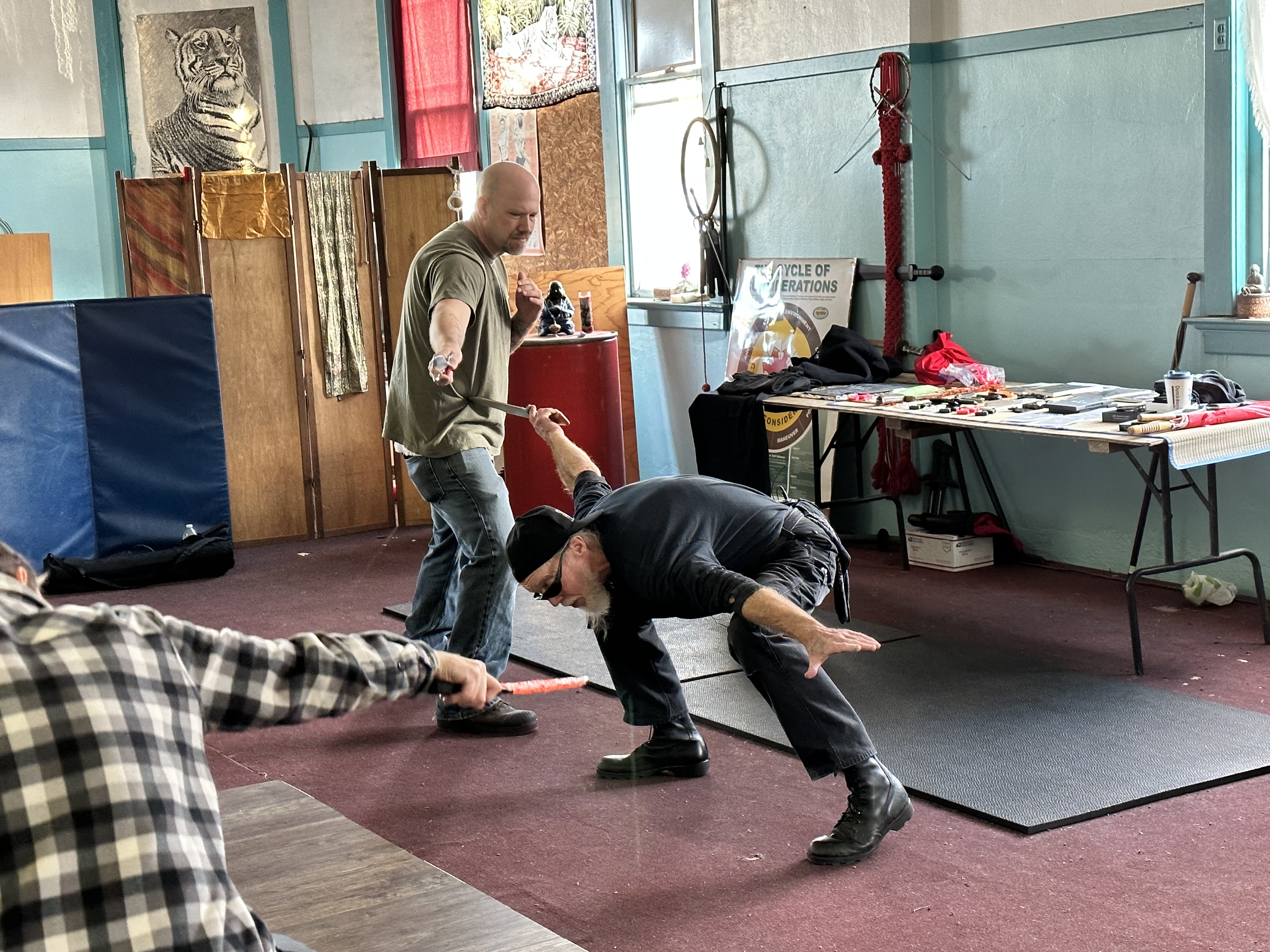
Thursday’s partner work is specifically and irreducibly relational. Empty-hand work, weapons practice, and drilling are done with partners who are alive, attentive, and applying genuine resistance. The strategic intelligence — the capacity to read and respond — arises in real time, not from a plan prepared in advance.
Students consistently report that something changes in how they navigate human interactions — professional negotiations, difficult conversations, the daily management of competing intentions. Not because they are thinking about the training. Because the moving center, educated in strategic responsiveness, applies its intelligence to every sufficiently similar situation.
“What the mind understood on Tuesday, the body learns on Thursday. Thursday teaches the body to enact what doctrine has clarified. That is its specific and irreplaceable role in the architecture.”
Saturday is where the week resolves. The mountain reveals what the mat cannot.
Joseph Chilton Pearce found that transcendence is not spiritual luxury — it is biological necessity. The cardiac neural network (approximately 40,000 neurons in the heart) sends more signals upward to the brain than the brain sends down. When this network is engaged — through genuine physical exertion, awe, and encounter with scale — the quality of experience changes in ways that intellectual effort alone cannot produce.
Dacher Keltner’s awe research established that the emotion arising in the presence of something vast reliably reduces activity in the Default Mode Network — the brain’s self-referential narrator. Stanford’s Bratman research confirmed that 90 minutes in nature measurably reduces rumination. The Japanese shinrin-yoku research established that time among trees reduces cortisol and increases immune function — effects persisting for days.
The weekly shugyo (wilderness training) is not a quarterly retreat. It is every Saturday. Redwood groves, hilltop and mountain ridges, creeks and beaches throughout the Santa Cruz mountain area. The session includes meditation — not as ceremony, but as the natural consequence of what happens when technique, terrain, and silence meet on a Saturday morning.
“The mountain reveals what the mat cannot. Students describe returning different. Not because the problems have been solved. Because they have been seen in proportion.”
The curriculum reflects Maestro Lunia’s three decades of research and training. Delivered through the three-act practice — doctrine on Tuesday, strategy embodied on Thursday, spirit encountered on Saturday. Nothing is decorative. Everything has a function.
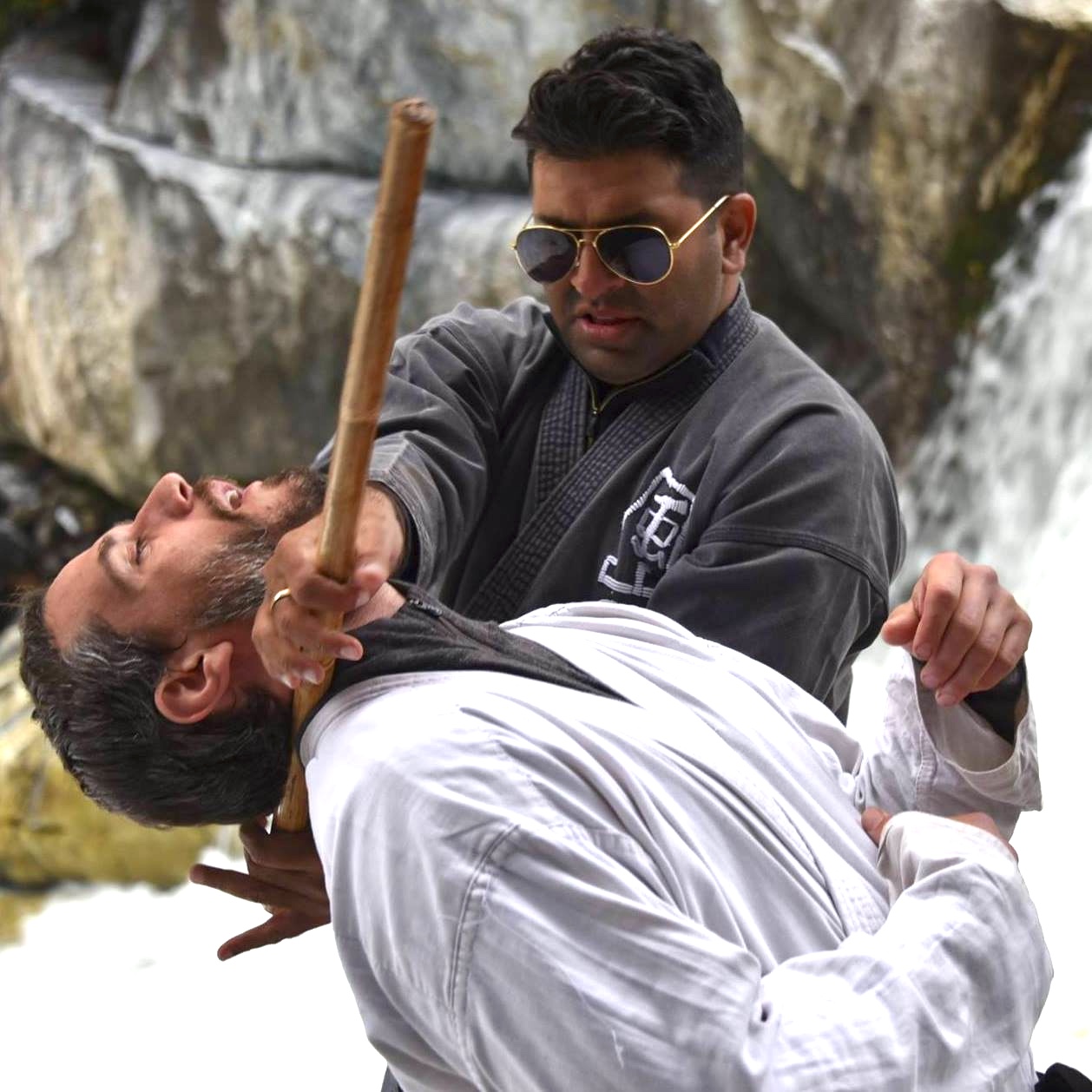
The core art — a complete system of strikes, throws, joint locks, and takedowns. The older, more complete root system, transmitted as it was given, before the splits and simplifications of the 20th century. The spine of the curriculum.
Among the most practically effective systems ever developed. Built around bladed and impact weapons, with an unarmed component derived directly from weapons principles. Pressure-tested. Original transmission from lineage holders.
Structure, rooting, yielding, and the counterintuitive mechanics that underlie high-level movement in any style. When this layer is understood, the physical skills of the outer arts become significantly more effective. The inner game.
How to read a situation before it becomes a confrontation. How to move, position, and decide under pressure — when the nervous system is engaged and the rules have been removed. The transfer into ordinary life is not metaphorical. Students reliably report it.
Antonio Damasio’s somatic marker research showed that the felt sense of consequence — the physical registration that something matters — is constitutive of intelligence, not peripheral to it. This is what a weapon introduces that nothing else replicates. Consequence. Real, immediate, proprioceptively registered consequence.
The body educated through weapons becomes, paradoxically, less inclined toward their use — because it has developed an embodied understanding of what force actually costs. Precision and non-violence are consequences of the same quality of attention.
Students source their own equipment. Maestro Lunia will tell you what you need. We sell nothing and earn nothing from it.
What you will train with
Core to the curriculum. Changes how you understand distance, timing, and leverage from your first month of practice.
The sword principles from which much of the unarmed work derives. Reveals what empty-hand technique is actually for.
Offensive and defensive principles. The Filipino Martial Arts curriculum brings particular depth here.
Fan, rope, and others as the curriculum deepens — introduced when the foundation is ready to receive them.
Uneven ground removes the habits that only work on a flat mat. Open sky changes how you breathe. Genuine quiet makes the mental component of the practice suddenly audible. This is the shugyo model — training as moving meditation, as connection with nature, as an honest encounter with your own limits. It happens every week. Not as a special retreat. Not as an upsell. As part of the standing curriculum.
Maestro Lunia redesigned from quarterly shugyos (wilderness training) to weekly Saturday practice after verifying what expertise research confirms: distributed contact with a practice over time consistently outperforms episodic immersion for permanent development. Fifty-two mountain sessions per year, not four.
Santa Cruz Mountains above Los Gatos. Every Saturday. As regular as the park sessions — part of the standing curriculum.
Austere training. Deliberately honest. Nature provides that without theatre. You discover what you actually know when comfortable conditions are removed.
All levels train together — beginners alongside long-term students. The depth of your seniors is visible from your first day. Class size intentionally kept below twelve.
This takes time.
If you want a certificate in six months, we are not the right school.
If you want something that grows with you for the rest of your life — come find out what that feels like.
Young students train in the same sessions as their parents, in the same mountains, with the same teacher. This is not a junior programme. It is the full practice, met at the right depth. What is different is the curriculum designed specifically for young minds — an apprentice’s path through ethics, strategy, and the wisdom that schools are not equipped to teach.
The gurukul — the old Indian model of learning — did not separate these things. The student lived alongside the teacher. They studied philosophy and strategy in the morning and trained the body in the afternoon. The mountain was the classroom. The community was the curriculum. This school operates on that model.
We accept young students from age 7. Not because 7 is an arbitrary threshold, but because 7 is when a child can begin to internalise the distinction between what is permissible and what is wise. That distinction is the foundation of everything else we teach.
Maestro Lunia teaches his own children here. That is not a selling point. It is a statement about what kind of place this is.
“This is not a babysitting operation. It is an act of deep love and the passing of an apprenticeship to the next generation.”
Not a belt. Not a trophy. Not a sport record. A human being who has been given the instruments to navigate the world with clarity, resilience, and care for others. Those instruments take years to develop. We start when they are young because the young mind, given the right conditions, is the most capable learner in the room.
Parents train alongside their children in every session. Young students see what five years of practice looks like by watching someone who has been training for thirty. That visibility is its own education.
Ethics. Strategy. Decision-making. Young students have their own version of the Scholar Session — proprietary material developed specifically for whole-brain development through age-appropriate engagement with the great traditions. What schools cannot or will not teach. The mind of a warrior-scholar, built young.
Technique. Coordination. Consequence. Young students train the same empty-hand and weapons foundations as adults — at the pace their body and attention allow. Partner work with a parent builds a shared physical vocabulary that most families never develop. The body learns respect before the mind is taught to perform it.
Nature. Stillness. Scale. Children raised on screens are not given regular encounters with genuine wildness. Saturday in the Santa Cruz Mountains is that encounter — weekly, not annually. Research on awe, forest immersion, and attention restoration all converge on what parents simply observe: a different child comes down the mountain than went up.
The mainstream education system excels at measurable outputs: grades, standardised tests, college placement. What it cannot systematically teach is the interior life of a decision-maker — the ethical reasoning, strategic awareness, and self-knowledge that determine what kind of person a child becomes when no one is watching and no test is being graded.
The Apprentice’s Scholar Programme is proprietary curriculum developed for young students at Two Mountains Immersion Institute. It draws on Eastern and Western classics — adapted in language, not in depth — to build four capacities that compound over a lifetime.
These are studied not as literature but as living instruments. A passage from the Panchatantra on the nature of wise counsel is not a text to be memorised. It is a lens to be applied to the situation that arose on Thursday, or in school on Monday, or in the argument with a sibling on Sunday morning.
“My son who is now eight years old got exposed to deep philosophy that was taught in a manner that he could relate to and internalize. He will carry those understandings with him for the rest of his life.”
Not what the rules say. What is right. The classics are used to surface the gap between these two things early — before a child has spent a decade assuming they are the same. Students learn to sit with moral complexity rather than resolve it prematurely.
How situations are read before they unfold. The old stratagems — from Sun Tzu to the Arthashastra to Aesop — are not historical curiosities. They are pattern libraries. A child who has studied them reads a social situation with more information than one who has not.
The ability to pause between impulse and action. The classics teach this by example — by showing, repeatedly, what happens when the pause is absent. The physical training reinforces it: a child who has learned to wait for the right moment in a weapons drill has also learned something about patience that no classroom exercise produces.
In the gurukul model, the student is part of a community that has standards. They are expected to show up, to put in honest effort, and to understand that what they receive is a gift — one that incurs a responsibility to eventually pass it on. This is taught by practice, not by lecture.
There is a difference between entertainment and deep play. Entertainment is passive and leaves no trace. Deep play — the kind that arises when a child is fully engaged, genuinely challenged, and in genuine relationship with others who are also fully present — builds the neural architecture of capability.
Training outdoors in the mountains on a Saturday morning with a wooden weapon and a partner who is also their parent is deep play. The child is not distracted. They are not performing for an audience. They are entirely occupied with something that has real consequence and genuine beauty. That state is increasingly rare. It is the state in which the most durable learning occurs.
The Apprentice’s Scholar Programme is also built around deep play — the engagement with old stories and their contemporary reversals, the strategy games embedded in the curriculum, the discussion of real dilemmas that have no clean answers. Children who have been heard in a serious conversation about a difficult question develop a relationship with difficulty that most adults have not.
This is not incidental. It is by design. A child who watches their parent struggle honestly with something difficult — and persist through that difficulty — learns more about character in one session than in a year of character education programmes. The parallel development is the curriculum.
Students are accepted from age 7. No upper age limit — the practice continues and deepens as the student grows. Many students transition directly into the adult programme as teenagers.
Parents and children train in the same sessions — Tuesday online, Thursday at Rengstorff Park, Saturday in the Santa Cruz Mountains. One family, one practice.
The school has never exceeded twelve students per class in twenty years. Young students train alongside seniors who have been here for a decade. That proximity is one of the most powerful learning environments available.
“My son who is now eight years old got exposed to deep philosophy that was taught in a manner that he could relate to and internalize. He will carry those understandings with him for the rest of his life.”
“I have found a place which my son now really enjoys going to. This is the only dojo I found that focuses not only on how to have better technique, but how to be a better person as well.”
“It is really a class where my teenage son is developing as a person — physically, mentally and spiritually. He is gaining confidence and strength. For the first time ever, he is self-motivated and taking personal responsibility for attending and progressing.”
If what you are looking for is a structured activity to fill after-school hours, a belt-ranking system, or a competition track, there are excellent schools nearby and we are happy to recommend them.
If what you are looking for is a place that will take your child seriously — as a whole person, with a real mind and a developing character, in a tradition that has thought carefully about what it means to grow up well — then come to one session. Bring your child. Bring yourself. We will find out together whether the practice is the right fit.
“The best thing you can give your child isn’t a trophy. It’s a tradition.”
Six published books. A TEDx talk, media appearances, and a standing calendar of university lectures and international conferences. The work on the mat and the work on the page are not separate.
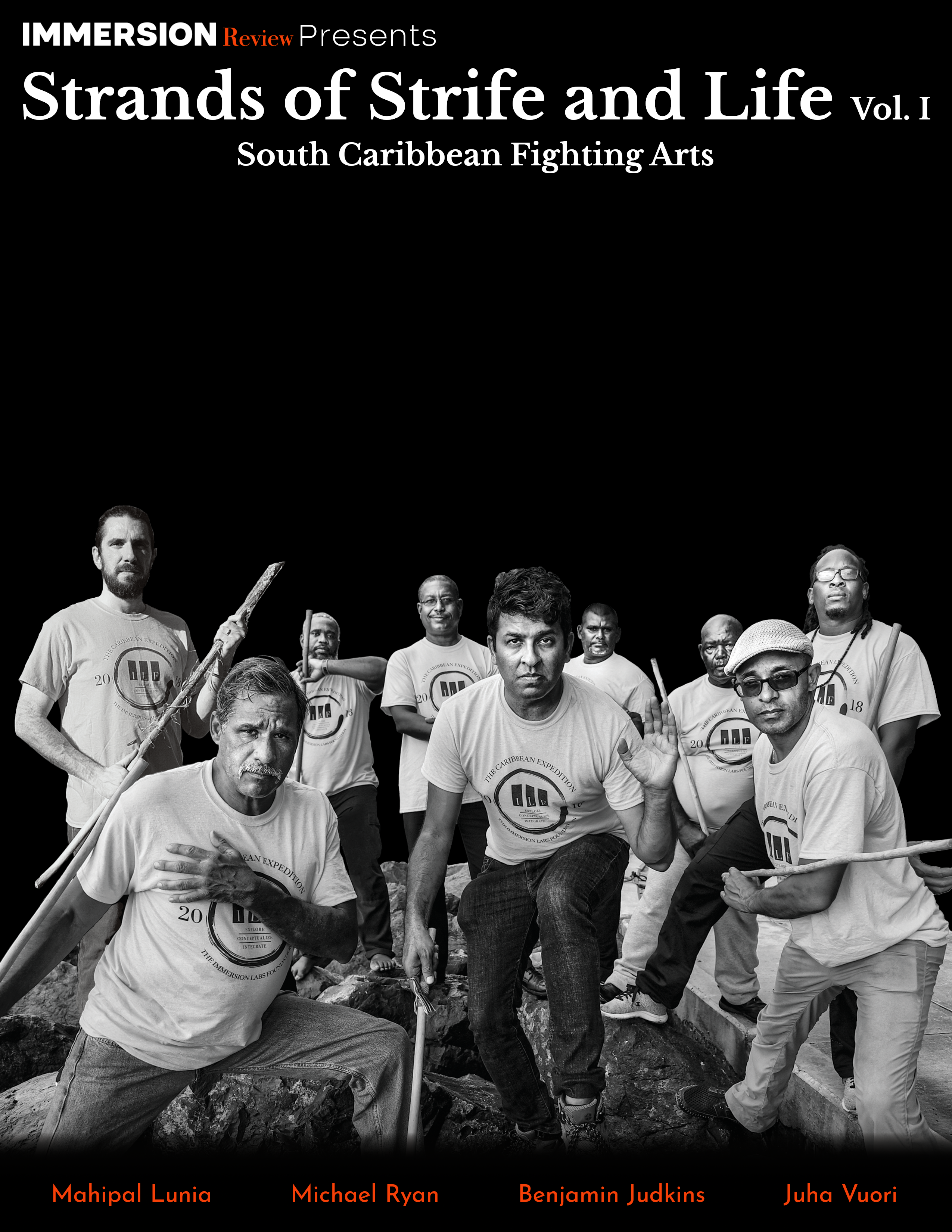
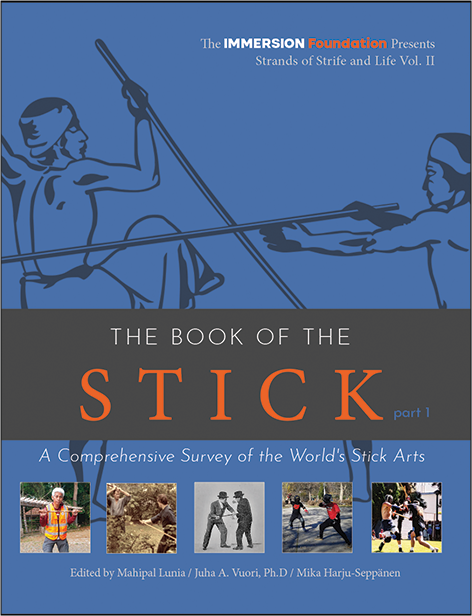
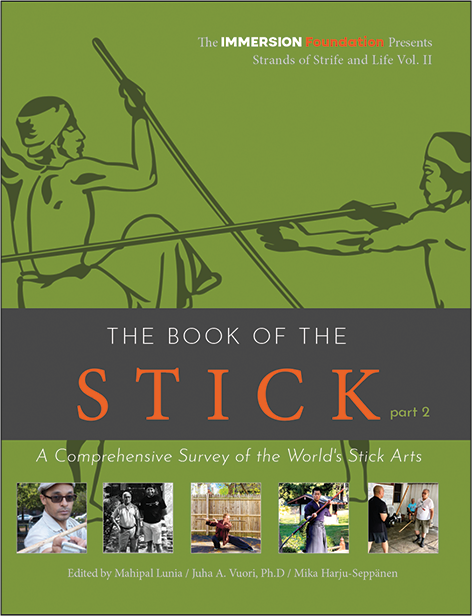
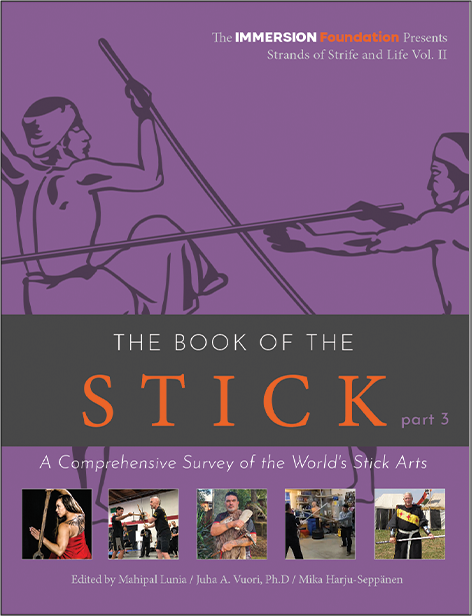
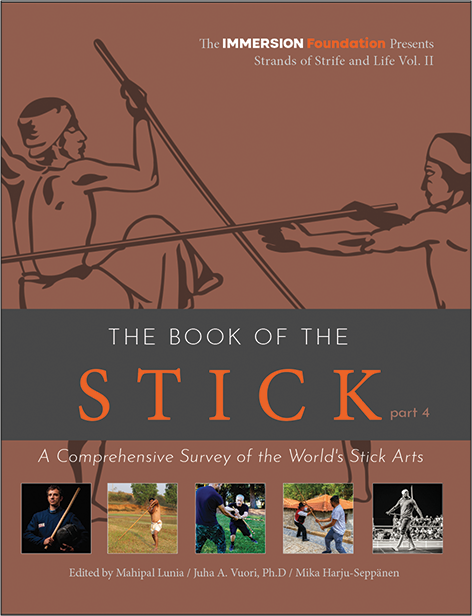
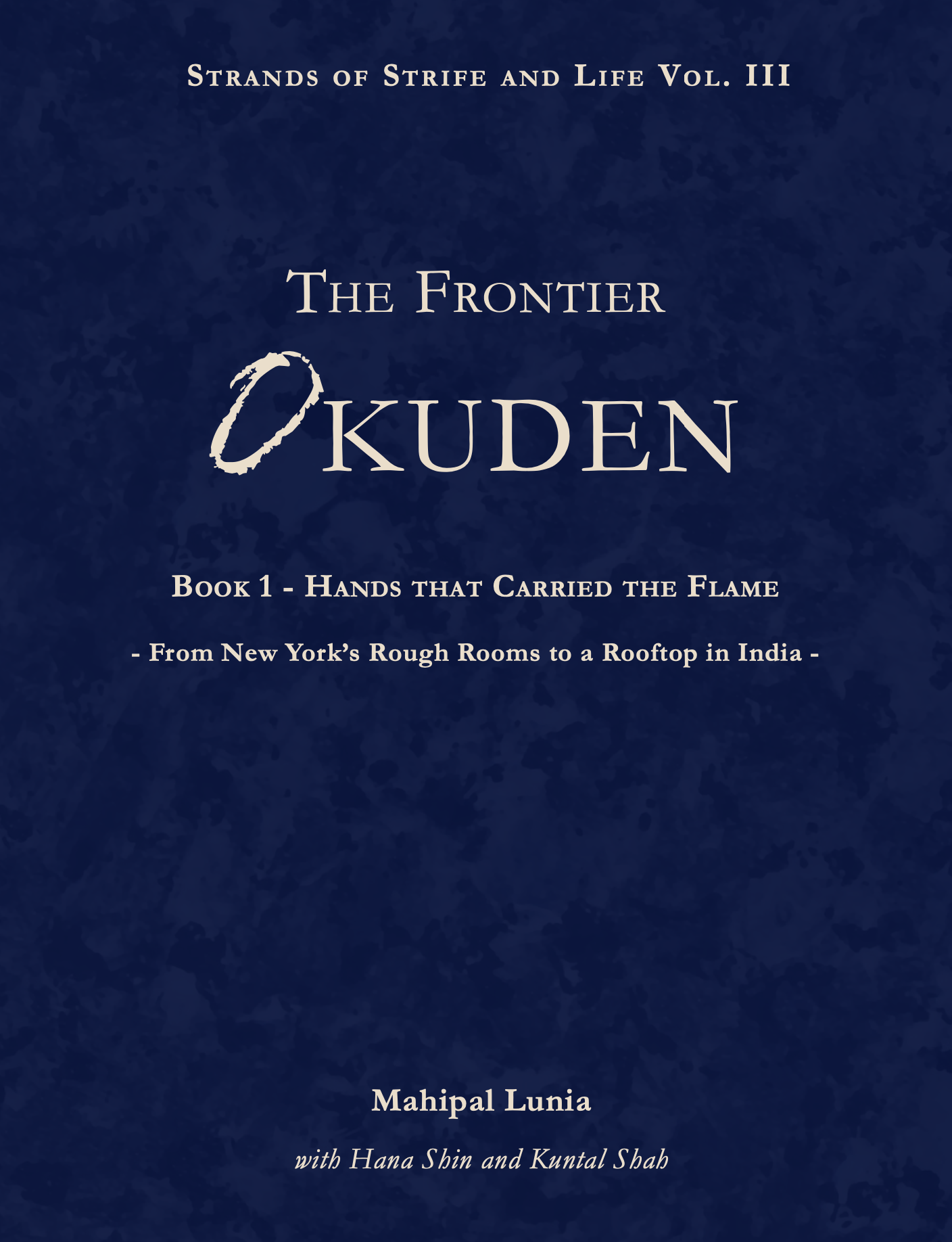
Maestro Mahipal Lunia writes from the unusual position of someone who has spent decades on the training floor while also documenting endangered martial traditions as a researcher and organiser. His published titles include Strands of Strife and Life Vol. 1: South Caribbean Fighting Arts, The Frontier Okuden – Book 1 – Hands that Carried the Flame, and the multi-volume Book of the Stick series — a comprehensive survey of stick-fighting systems across cultures.
These books draw on fieldwork, immersion with living lineages, and collaboration with other experts to show how combative methods carry history, ethics, and identity inside their movements. Amazon ratings range from 4.3 to 5.0 stars. One public endorsement has called the volumes “a must have and must read for anyone interested in stick fighting traditions.”
For students at Two Mountains Immersion Institute, these books are not separate from the mat: they are part of the same commitment to keep rare skills alive, to understand where they come from, and to pass them on with clarity rather than myth.
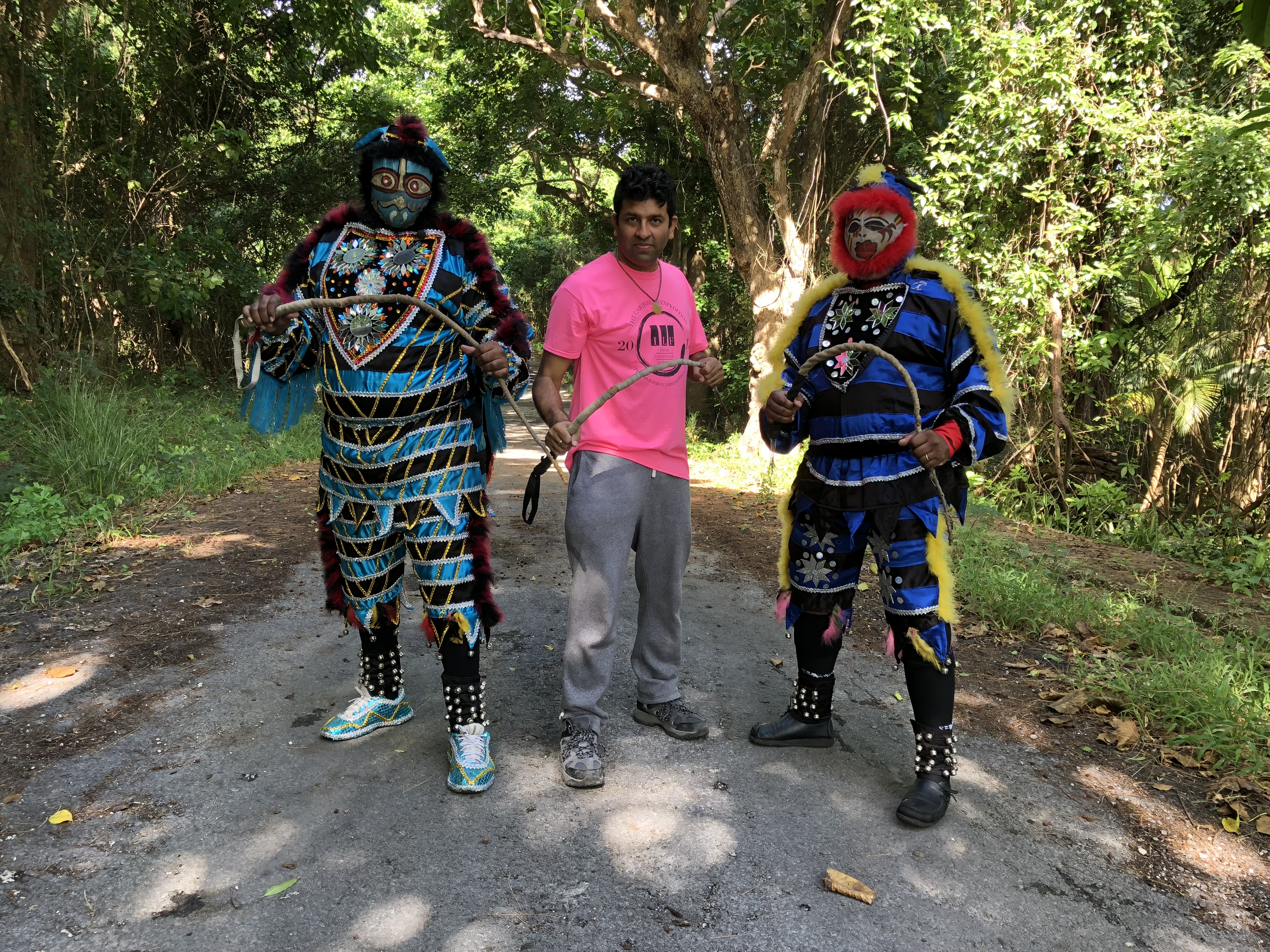
A fieldwork-driven study of Barbados sticklicking, Trinidad kalinda, Tobago traditions, whip, rope, and blade cultures.
The opening volume of a global hoplology survey, documenting stick traditions through practitioner essays, photos, and field context.
Continues the survey across regional systems and training cultures, pairing historical material with living-practitioner knowledge.
A dense continuation of the project, expanding the archive through detailed essays on methods, lineages, and combative cultures.
The concluding volume, bringing the four-book archive together as a lasting reference for stick-fighting traditions worldwide.
The first volume in a hidden-systems series, focused on direct transmission, frontier lineages, and the people who preserved them.
“Mahipal Lunia is one of those rare martial artists who not only has a deep knowledge of an amazing array of martial arts, but also manages to pass on these foundations to his students. Furthermore, he is at the forefront of the hoplology renaissance.”
“Mahipal Lunia is the leading hoplologist of our generation with an encyclopedic knowledge of styles and techniques. The chance to learn legitimate Indian martial arts in America is rare enough, but to pair this with Bowie, Japanese and Filipino arts makes training with Mahipal a once in a lifetime opportunity.”
“There are very few people in the martial arts who have impressed me as much as Mahipal Lunia. His scholarship on the martial arts is unparalleled; no one is as committed to treating the subject as a serious academic discipline.”
“Mahipal Lunia’s herculean efforts to study and preserve martial arts are noteworthy. He has led multiple research expeditions, edited and authored books, organized world level exploratory labs, and archived martial arts systems. Mahipal is a leader in contemporary hoplology.”
Weaving together findings from expeditions across five continents — combative behaviour, poetry, and mythology — to outline the seven ingredients of the Elixir of Kings. A map toward the path of solitude and personal expression.
Watch on YouTube ↗A media appearance introducing Maestro Lunia’s work, The Immersion Foundation, and the bridge between martial practice, research, and public teaching.
Watch on YouTube ↗Invited to speak at universities on the intersection of martial practice, neuroscience, hoplology, and embodied learning.
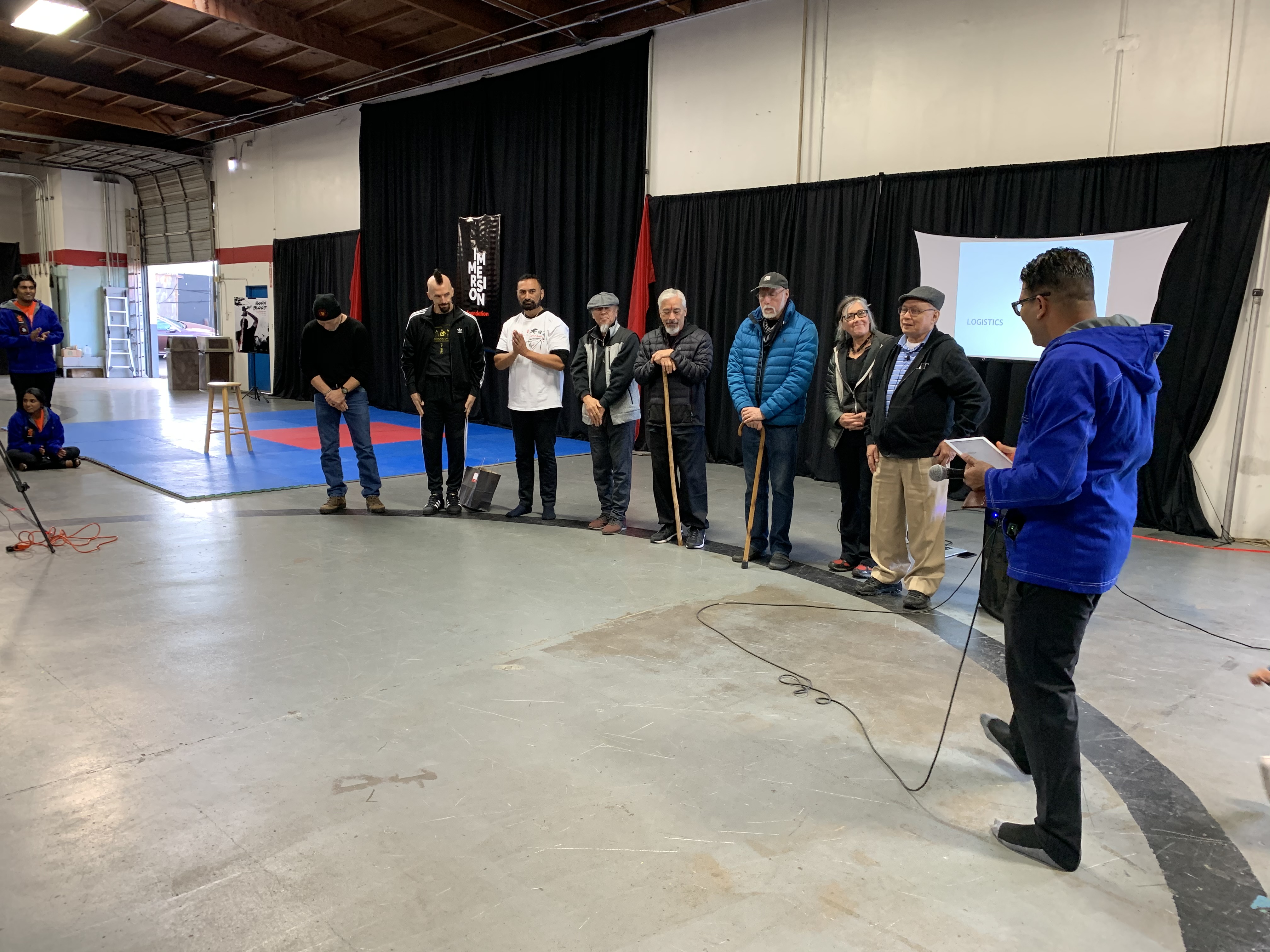
Has organised five international conferences through The Immersion Foundation, and spoken at martial arts and research gatherings across multiple continents.
A public talk weaving together combative behaviour research, mythology, and the seven ingredients of the Elixir of Kings. Available in full on YouTube.
For speaking enquiries — university lectures, conference presentations, or podcast conversations — reach out through the contact page.
Fill in the form and Maestro Lunia will be in touch personally. No automated sequences. No sales follow-up. A real reply from the person who will be teaching you — within 48 hours.
Whether you are completely new to martial arts or returning after years away — we want to know what brought you here.
Goes directly to Maestro Lunia · Reply within 48 hours
Maestro Lunia will be in touch within 48 hours.
We look forward to seeing you on the mat.